


Most of Hinduism stories talk about the different Ashramas. Here are a few lines from Raghuvamsa, written by Kalidasa. Raghuvamsa is a Mahakaavyam or an epic poem and if you like to read more here is a link. https://en.wikipedia.org/wiki/Raghuva%E1%B9%83%C5%9Ba
The boy Raghu grew up day by day. He received proper education also. His marriage also took place. Dilipa, (his father) thought of lessening his own burden of administration of the kingdom. Hence he crowned the prince Raghu.
Dilipa grew old. Along with his wife he went to the forest. He undertook Vanaprastha Ashrama, the life of an ascetic. Raghu, his son ascended the throne.
Living a long life is a wonderful thing. Living healthy is great but transitioning ourselves to our next stage is also equally important.
The four stages of life mentioned in Hinduism are Brahmacharya, the stage you are a student, Grhasta, the time you are a householder, Vana prastha, the time you live in the forest and Sanyasa, time you renunciate.
Each transition is hard and every stage is hard. We all think about grass being green on the other side. But it is not so. The third stage of retirement is what is called the Vana Prastha or being a person who lives in the forest at that time. Everyone would feel this is the hardest stage of your life . You prepare your next generation to take charge. With all the deforestation happening and the world being crowded you need not live in the forest, but I feel this is the stage that you take a back seat in your own place and be a good advisor and just share experiences instead of running the show. A beautiful opportunity to enjoy the world from a different perspective.
Of all the four Ashramas mentioned in Hinduism, I have always felt this Vanaprastha or the third stage in life the best. It is one of carefree and without responsibility. It is a time for doing things for your own and not worry about your children and about the future. I feel you work hard in the first two stages and start taking a back seat in the third stage would allow us to live a much longer life. This is just my perspective. A time to take care of ourselves mentally and physically.
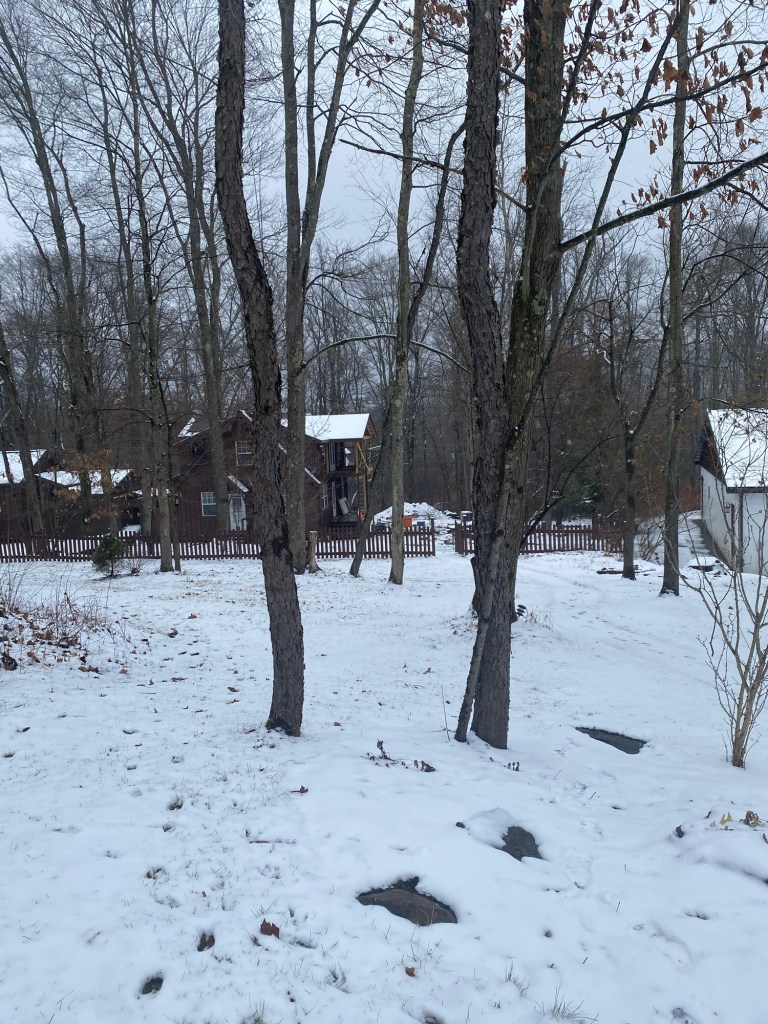
Anyhow that is all for the prompt today. It was a hectic day today and I slept over the prompt and this is what popped in my brain. We did not get much snow around, but had to drive in a snow squall yesterday and it was scary.


 Special Mom’s blog
Leave a reply to Martha Kennedy Cancel reply